Plot and Character Motivation

By Elizabeth S. Craig, @elizabethscraigDeathPaysaVisit_ebook_Final (1)

Sometimes I wonder why I outline at all.  I never seem to stick to them.

In the book that I’m currently writing (already covered, right, since it’s so tricky to reserve cover designers closer to release), I decided a few days ago to change the killer.  If I’d continued on the path I was going with my outline, I thought there would be a good percentage of people who would figure out the murderer before the end of the book.  The suspect that I decided to use instead would be a real surprise and would get me that twisty ending that I wanted.

The problem was…there was no motive at all for this person to have murdered the victim—that’s why the reader was going to be so surprised.Continue reading
Mystery Writing–Familial DNA

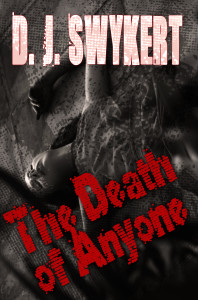
by D.J. Swykert, @djswykertTheDeathOfAnyone

The Death of Anyone (Melange Books; February 2013 trade paperback and ebook formats) is a fictional story in which a Familial DNA search is a key investigative component. This is a unique DNA search technique not in common use, only two states even have a written policy. With forensic evidence increasingly important in solving current real-life cases and now being introduced into trials I thought it would make an interesting plot for a story.

I first heard about the use of Familial DNA working as a 911 operator in 2006. It came up in a conversation with officers working a case. I thought at the time it would make an interesting premise for a book. I began writing The Death of Anyone three years after leaving the department. I had just finished editing a first draft in the summer 2010 when news of The Grim Sleeper’s capture in Los Angeles using a Familial DNA search was released. I read with interest all the information pouring out of L.A. regarding the investigation and the constitutional admissibility issues confronting prosecutors.Continue reading

Twitterific Writing Links

by Elizabeth S. Craig, @elizabethscraigBlog

Twitterific links are fed into the Writer’s Knowledge Base search engine (developed by writer and software engineer Mike Fleming) which has over 23,000 free articles on writing related topics. It’s the search engine for writers.

Why joining a writing group may be the best thing you do:  http://ow.ly/AhPc4 @standoutbooks

Hugh Howey weighs in on the Hachette and Amazon contretemps:  http://ow.ly/AnFKb @HughHowey

The Crash: Braving Your Second Draft:  http://ow.ly/AkI2Q @KMWeiland

How to Write Faster and Get Organized with Scrivener:  http://ow.ly/AkG8e @writetodone               Continue reading

More Thoughts on Wattpad

By Elizabeth S. Craig, @elizabethscraigimages

I blogged in May that I was giving the publishing platform Wattpad a go.  I was somewhat worried about this decision at the time, wondering if my octogenarian protagonist and I would fit in among the youthful readers on the site.

From May to August, I went from several reads to steadily increasing reads.  Nothing I’d call spectacular.  But each day or couple of days I’d get a notification that I had someone else following (I think of them more as subscribers of) my story.  The number of reads (not readers, reads of each chapter) grew and with them grew more visibility.  That’s how it works at Wattpad.Continue reading

Write What You DON’T Know (Part One)

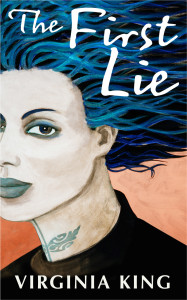
by Virginia King, @selkiemoonbooksthe-first-lie-cover small

All new writers are advised to “write what you know” because sticking to your own experience is a recipe for authenticity, for not getting lost in unchartered territory. It goes hand in hand with character profiles and plot maps – nailing your story down so the writing is an exercise in fleshing out the bones. But are great stories pre-formed in the minds of their authors? And is this process fun?

Miles Davis told his musicians, “Don’t play what’s there, play what’s not there.” He wanted them to lose themselves, to let the music take them beyond the notes on the score, carrying their audience with them. Sounds like the same place we want to take our readers.

The Journey of a Thousand Steps

“There is something delicious about writing the first words of a story,” Beatrix Potter said. “You never quite know where they’ll take you.”Continue reading

Scroll to top