Working a Paranormal Element into Mysteries

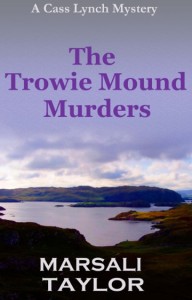
Guest Post by Marsali Taylor, @MarsaliTaylorThe Trowie Mound Murders
The world is a more interesting place than our science can explain.

I’ve always been at ease with the idea that the world is stranger and more interesting than our present scientific knowledge can account for.  Maybe it’s because I’m Scots; one look at old ballads shows we’re a people used to second sight, omens, superstition, ghosts, devils and companies of the Elven folk.  French friends assure me there are no fantomes in French castles, whereas no self-respecting Scottish castle would have fewer than three.Continue reading

Twitterific Writing Links

by Elizabeth S. Craig, @elizabethscraigBlog

Twitterific links are fed into the Writer’s Knowledge Base search engine (developed by writer and software engineer Mike Fleming) which has over 23,000 free articles on writing related topics. It’s the search engine for writers.

How to Know If You’re Editing Too Soon:  http://ow.ly/wXLkF @losapala

Promoting Your New Book with Promo Websites: http://ow.ly/x8p9v @silas_payton

“Don’t Let Your Hurt Stop You” :  http://ow.ly/wXLXz @PiaPadukone @writersdigest

17 Lost Manuscripts: L. Frank Baum, Ernest Hemingway, John Milton, and More:  http://ow.ly/wXL3c @BookishHQ           Continue reading

The Power of Covers

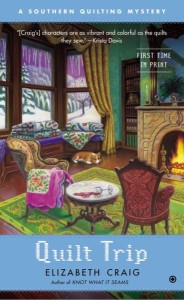
By Elizabeth S. Craig, @elizabethscraigQuilt Trip

I think by now most of us have agreed that, whether they should or not, covers have a tremendous impact on what readers purchase.

In a split second, a good cover indicates a book’s genre.  This is probably the most important role of a cover, in commercial fiction.

As Mark Coker of Smashwords states in his free ebook, The Secrets to Ebook Publishing Success:

Your cover is the first impression you make on a prospective reader. It’s the visual embodiment of everything your book represents. Great covers, through their imagery alone, can communicate genre, topic, mood and setting. A great cover image makes a promise to prospective readers. It helps them recognize your book as one they’ll enjoy reading. Continue reading

Series Readers—What they Really Want to See in Our Books

by Elizabeth S. Craig, @elizabethscraigfile7401343249061

I’ve just finished the latest Southern quilting mystery—book five in that series, due to release in late 2015.  So that means, right now, I’m no longer under a contract until Penguin decides if they’d like to acquire more books for the series (likely something they would determine after seeing sales figures for book four, coming out in August).

For the first time…ever, really…the only project I have to work on is my self-published Myrtle Clover series.  I started book seven at my usual full throttle, and then slowed my writing pace down a bit and decided to take a more thoughtful approach. Continue reading

Developing Thematic Ideas in Your Fiction

Guest Post by Jack SmithWrite and Revise for Publication

I tend to like fiction that can be read on several different levels.  It’s not just a good story; it also points to abstract ideas of various kinds—to themes beyond the literal level of character and plot.  Perhaps it suggests something about the nature of evil, about personal identity, or about the nature of freedom.   How heavy should the machinery of idea be?  Naturally, this depends on what your purpose is and who your audience is.  I won’t take that question on here, but I will say that there are several thematic techniques that can work seamlessly with story.  You don’t have to trowel on ideas like icing on the cake.

What are these techniques?  I’ll deal with three.Continue reading

Scroll to top