Writing When It’s Difficult to Write

by Elizabeth S. Craig, @elizabethscraig20150616_111122
I pride myself on being a productive writer.  I keep to my deadlines, both self-imposed and contractual.  I write each day and meet my goals.

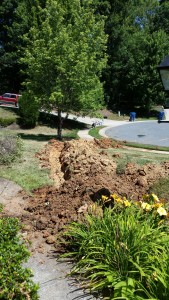
It’s rare I get knocked off track.  But I sure did this week. We had a water main break. Backhoes trenched from the street to our house to replace broken pipes.  We had no water.  Gardenia bushes were dug up (right when they were blooming!) Sewer lines were accidentally dinged with the backhoe (ugh).  To add insult to injury, the break was on our side, not the city’s side, so the repairs were on our dime.

And we had house guests. :)  I felt sorry for them.  Heck, I felt sorry for me. 

Yeah, I haven’t gotten much done…on the progression of the actual manuscript.Continue reading
Working My Way Toward  the Novel

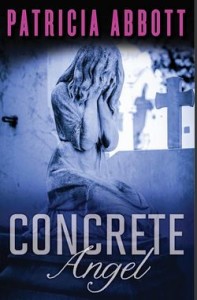
by Patricia Abbott , @PattinaseabbottConcrete Angel

I wrote approximately 100 stories and a handful of poems before it seemed time to try my hand at a novel. And it turned out to be so terribly hard that I wrote another 25 stories while I dithered about just how to do it. How do you write an novel? I read books, articles, blogs, listened to podcasts, trying to find my way inside this world.

I listened to people in my writing groups and in classes when they told me how this or that story was ripe for development into a novel.

Yes, I said, but truthfully I never really saw the potential novel in most of those stories. They seemed complete, finished. I had said all I wanted to say in about 5000 words. By then, I’d exhausted the subject and was bored with the characters. Ready to move on. Those characters just had this one thing to do and they did it with only a few other people looking on. Those stories all took place over a short period of time–or at least the best ones did.Continue reading

Twitterific Writing Links

by Elizabeth S. Craig, @elizabethscraig

Twitterific writing links are fed into the Writer’s Knowledge Base search engineBlog (developed by writer and software engineer Mike Fleming) which has over 30,000 free articles on writing related topics. It’s the search engine for writers.

Tips for Novelizing True Events:  http://ow.ly/NOfdX  @kcraftwriter

Creating a Scene Outline for Your Novel:  http://ow.ly/NOeWF @JodieRennerEd

The exploitation of writers:  publishing contracts: http://ow.ly/Oh7o2 @Porter_Anderson @AuthorsGuild

Sources of Public Domain Lyrics:  http://ow.ly/NOfDN @HelenSedwick

5 Ranged Weapons That Can Replace Bows:  http://ow.ly/NOf3W @mythcreants by Mike Hernandez

How to Avoid Head-Hopping: http://ow.ly/NOeRT @JodieRennerEdContinue reading

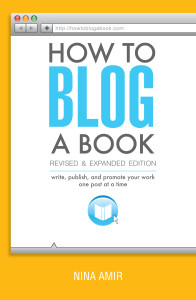
How to Plan Your Blogged Book

By Nina Amir, @NinaAmir

I know few writers who feel they have enough time to work on their books. Most tell me they want to be more effective and productive because they need to promote their books as well as write them. That’s why I developed the blog-a-book strategy. It allows you to write, publish and promote a book all at the same time.

As you intentionally publish the first draft of your book post by post on your blog, you effectively build a readership for that work. You develop a group of loyal fans ready and willing to purchase the final edition when you release it in print or digital version.

If you’d like to work smarter, not longer and harder, and write a book on your blog—or as you blog, follow these basic steps to plan out your nonfiction or fiction blogged book.Continue reading

Audio Books for Indie Authors

by Elizabeth S. Craig, @elizabethscraigIWSG Post (1)

Audio books and podcasts are gaining popularity with the advent of Bluetooth technology in cars (and, probably, with the desire for listeners to be distracted from tedious commutes or exercise routines).  You don’t have to be traditionally published to have your title in an audio book format.  Today I’m on the ISWG site explaining a little about how ACX works.  Hope you’ll pop over.

Scroll to top