Twitterific Writing Links

by Elizabeth S. Craig, @elizabethscraig

Twitterific writing links are fed into the Writer’s Knowledge Base search engineBlog (developed by writer and software engineer Mike Fleming) which has over 30,000 free articles on writing related topics. It’s the search engine for writers.

I do have an opportunity for my blog readers this week: a New York area conference, The Work Conference.  Attendance is limited to 30 writers because the conference provides access to industry-leading agents and publishers in a small group setting (attendees query first for acceptance to the conference).  Those who aren’t accepted still get feedback on their proposal.  There is a fee for the application, but my readers are offered a $10 discount: $40 instead of $50. That link is here.

How to Become a Morning Person (video):  http://ow.ly/U219Q  @michaelhyatt

A Return to Single-Tasking :  http://ow.ly/U20ui @zen_habits

13 Writer Woes and the Books to Cure Them:  http://ow.ly/U21Fh @roniloren

10 Mistakes A New Author Makes:  http://ow.ly/U21Oi by Nancy L. Erickson

Marketing Your Book on Social Media? How to Avoid Scams:  http://ow.ly/TRyZc @annerallenContinue reading

Getting Feedback and Being Part of a Community

by Elizabeth S. Craig, @elizabethscraigDUSTY VINTAGE KEYBOARD

Self-published writers frequently hear that they need to pass their books by beta readers or critique groups first before sending the stories on to freelance editors (fewer corrections in a book means a less expensive editing process).

Some writers never even get as far as needing a beta reader because they didn’t seek out encouragement and support from the writing community.

But sometimes it can be tough to know exactly where to find these beta readers and online support.  Here are a few ideas.

First Readers/Beta Readers

Online critique groups and beta readers. Sometimes I think we can run into the same problem that we can with in-person crit groups…we might be much better or much worse than our crit partner. But we also have more of a selection to choose from in terms of writer experience.

There are resources to help you connect:Continue reading

Trying New Things for More Visibility

By Elizabeth S. Craig, @elizabethscraig

OLYMPUS DIGITAL CAMERA

The business side of writing seems to take more and more time.

If I knock out my writing goal first, though, I don’t have that uncomfortable sense of being conflicted. And I remind myself that whatever time I spend putting my content “out there” should be repaid later on by sales. Hopefully.

AmazonCrossing.  Although I think there is still a huge untapped English-speaking or ESL audience out there in the digital reading market, I’ll admit to an interest in translation. After all, if I want to relax with a good book, I sure as heck want to read it in English.  Reading it in French (my high school and college foreign language) would be a struggle and certainly not as relaxing.

AmazonCrossing is the arm of the retailer that’s working on projects for translation.  I pitched them a book and am waiting on a reply.  We’ll see. I have a feeling it’s tricky to get in.Continue reading

Twitterific Writing Links

by Elizabeth S. Craig, @elizabethscraig

Twitterific writing links are fed into the Writer’s Knowledge Base search engineBlog (developed by writer and software engineer Mike Fleming) which has over 30,000 free articles on writing related topics. It’s the search engine for writers.

Lots of NaNoWriMo posts this week as many writers prepare for the challenge of writing a book in the month of November. :)

Flash Fiction Exercises for #NaNoWriMo Prep:  http://ow.ly/U29kl @_AliciaAudrey

#NaNoWriMo Prep: 6 Tips:  http://ow.ly/U28bP @ceciliaedits

#Nanowrimo Prep: Story Elements for Brainstorming Index Cards:  http://ow.ly/U28sg @AlexSokoloff

3 Tips For Writing Moms To #NaNoWriMo With Success: http://ow.ly/U29O7 @MichelleLim24

#Nanowrimo Prep: What’s the PLAN? http://ow.ly/U29Qz @AlexSokoloff     Continue reading

How To Write Dialect

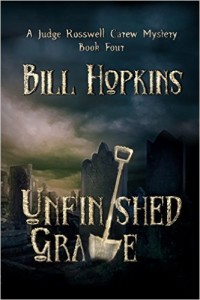
by Bill Hopkins, @JudgeHopkinsUnfinished grave

How many times have you read in an otherwise excellent book that a character “spoke with a heavy accent” or something similar? Too many, is my guess. Everyone (you, me, everyone you know) speaks with a heavy accent. What determines a heavy accent is who is listening! If the person listening speaks the same as you, then you won’t notice an accent. If the person listening has never heard anyone speak like you, then YOU have a heavy accent.

Let me give you an example, using my accent, which is upland south.

https://commons.wikimedia.org/wiki/File:Upland-South-map.jpg
The upland south accent can be heard in the hills and mountains of the American South and, in fact, in most of Southern Illinois and Southern Indiana and Ohio. Think of the way The Beverly Hillbillies spoke. (Lowland South, on the other hand, is what Scarlett O’Hara spoke.)Continue reading

Scroll to top