Fixing a Bad Beginning and Pacing Mysteries (and Probably Other Genres, too)


by Elizabeth S. Craig, @elizabethscraig

MorgueFile–

I finished a book last week that I’d started
several months ago.  I’ve mentioned
before that every book I’ve worked on has been different…some are harder to write
than others.  This was my twelfth book
and the fifth in a series.  You’d think that it would have been a snap to
write.  It wasn’t.

I talked a little about all the trouble the
book was giving me in
this post
.  I mentioned that I was
planning on finishing the draft, then figuring out what the problem with the
book was.  When I
wrote this post
I’d put my finger on the problem with the book—I’d given
too much away at the beginning of the book (particularly troublesome with a
mystery…where the whole point is for the reader to help figure out the
crime.)  In that post, I outlined ways to
prevent yourself from getting in that predicament to begin with.
Since I’d already
put myself in a tight spot, and I never revise books until I’ve finished the
first draft, I had to fix the book later. 
In case anybody else is facing the same type of revision, I thought I’d
do a quick overview on how I was able to fix the problem quickly (the revisions
took less than a week…working about one to two hours a day. With a sick child
in the house…sigh. So, not a huge time investment on my part.)
If you realize, as you’re writing your first
draft, that you’ve got a problem, change course where you are and write the
rest of the book with the fix already in place. First of all, I made notes as I
was writing to indicate where I was starting off writing the revised text.  I had a character who had a financial motive
to murder the victim.  I gave away that
motive way too soon.  So, when I realized
that as I was drafting the book, I abruptly started writing the rest of the
story acting as if I hadn’t given
that information away to the reader. 
Then I reached the point, two-thirds of the way through the book where I
introduced it as a motive.  I marked my manuscript
with Word’s highlighter function and made a comment with Track Changes to
indicate that point in the story.
I had several of those problems, so I marked
the manuscript in several places.  After
I was done with the first draft, I returned to the beginning of the book and
took every reference to those early motives out and pasted them on a separate
Word doc.
I decided the beginning of the book was
slowly-paced and I copy/cut up to page 70 and then pasted the text on that
separate document. 
I wrote a new beginning for the book.  And now the murder occurred in the second
chapter. 

  
I returned to the cut text and found spots in
the manuscript to work in the various discoveries (motive, character secrets,
etc.) later in the document.  
Some of the original text was scrapped and
never added to the document.  Most of the
text, however, I added later to the book.
The most important thing, when you chop up
your book like this, is to make sure that you read the story through (ad nausem) to ensure that you don’t have
anything happening out of sequence.  That’s
going to be the biggest problem you face.
One way I double-checked myself was to do a
Ctrl F for references.  For example, all
the references in my book to life insurance should be in a particular sequence.  So I made a search on Word for life insurance and then made sure all
the references were in sequential order. 
So it needed to look like:  police
indicate there may have been a policy, 
rumors are that this was a significant policy, policy was on the
wife/victim only, husband was having financial difficulty, etc.  
Sometimes I’ve been in such a spot before that I’ve just rewritten the entire first 1/4 of the book and not even tried to salvage anything.  That can be quicker, depending on how fast you write or how bad the original beginning of the book is.  In this case, though, I figured most of what I’d written still worked…it simply needed to be inserted later in the story.
A note on the pacing of traditional mysteries.  I’ve read a good deal of
variation with the body’s discovery, introduction of suspects, introduction of
motives, etc….but I know that my own editors for my two traditionally published
series have particular expectations. 
They would like to have a body by page 30.  They would like to have the suspects fairly
rapidly in place, but they don’t want the process to be confusing.  They don’t want a bunch of names dumped on
the reader all at once.  One editor was
happy with 5 or 6 suspects, as long as one of those suspects was bumped
off.  This does affect your pace, if you
choose to have this many—you’ve not only got to set them up as suspects
(introduction, introduction of motive, opportunity), but you’ve also got to
interview them.  And you need to have
other suspects talk about them.  
The other editor likes fewer suspects…she
would actually be delighted with 3 solid suspects (starting out with four and
perhaps losing one along the way.
)  This makes things sail along pretty quickly…sometimes
too quickly, unless you figure out some interesting red herrings, secrets,
unanswered questions/smaller mysteries,  sleuth
endangerment, to bulk it up a little. 
How do you fix a bad beginning?  Start over from scratch?  Cut and paste?  Save what you can and pitch the rest?  How do you keep the story moving in your own
book?

Twitterific

 by Elizabeth S. Craig, @elizabethscraig
Twitterific
links are fed into the
Writer’s
Knowledge Base search engine
(developed by
writer and software engineer Mike Fleming) which has over 19,000 free articles
on writing related topics. It’s the search engine for writers.
Sign up for
our
free newsletter for monthly writing tips and interviews with top
contributors to the WKB or like us on
Facebook.
Mike Fleming
worked with author and writing coach James Scott Bell to offer an online,
interactive, writing program to help make your next novel great. It’s called
“Knockout Novel” and you can learn more about it at
Knockout Novel.com.
A free
directory of cover designers, formatters, freelance editors, and more:
http://bit.ly/nolbXq
The Search
Engine for Writers:
http://hiveword.com/wkb/search
Types of
story planning for writers:
http://bit.ly/10038Z3 @mythicscribes
10
Proofreading Tips For Self-Publishers:
http://to.pbs.org/XGpa6H @completelynovel
10 Tips for
the Debut Author:
http://bit.ly/10h9p9V @KelseyBrowning
5 Industry
Trends Requiring Every Writer’s Attention:
http://bit.ly/ZCxwsx @janefriedman
Konrath on
KDP Select:
http://bit.ly/176LOb5 @JAKonrath
Easy Steps to
First-pass Revision:
http://bit.ly/11qExPW @lindasclare
Tips for
teaching writing:
http://bit.ly/Z9gzv4 @nadinekenney
Query Advice:
Always be ready to move on:
http://bit.ly/11DwbEF @meaganspooner
7
Writing-Based Ways to Fund Your Fiction:
http://bit.ly/10zluY7 @robdyoungwrites
Scene
Selection:
http://bit.ly/11Dwq2G @juliemusil
Time
Management for Writers:
http://bit.ly/10zlG9Q @write4kids
Change How
You Create To Please The Market? 
http://bit.ly/11DwKOL
@atrueblood5
Why ebooks
are a different genre from print:
http://bit.ly/11Dx5ko @guardianbooks
Why your play
was rejected:
http://bit.ly/10zmc7L @melissaimpact
Liberating
the Essay:
http://bit.ly/11Dxzan @the_millions
For the
Reluctant Writer: 5 Ways to Motivate Yourself to Action:
http://bit.ly/11DxN12
Killing Off a
Character:
http://bit.ly/10zmImj @LJSellers
When was
science fiction’s genesis?
http://bit.ly/11DyeIJ @amazingstories0
Creating
Emotional Frustration in Your Characters:
http://bit.ly/10zn6kM @writersdigest
What Makes a
Reader Like a Character?
http://bit.ly/11DywPO @hopeclark
7 Things
Editors at Children’s Book Publishers Wish Writers Knew:
http://bit.ly/11DyBmN
@write4kids
Tips for A
Successful Book Launch:
http://bit.ly/10zouUz @Casey_McCormick
Creative book
signings:
http://bit.ly/10zoPqi @authopublisher
Kindle
Numbers: Traditional Publishing vs. Self-Publishing – Joe Konrath:
http://bit.ly/ZmAzcV
@JAKonrath
Plot Holes
and Why Should You Avoid Them:
http://bit.ly/13wOv3J @write_practice
Creating
Emotion Within Dialogue:
http://bit.ly/ZmAGFl @ingridsundberg
Creating
Flawed (But Likeable) Characters:
http://bit.ly/ZmATs3 @ALSowards @rlbelliston
Why you’ll
never be ready (and what to do about it):
http://bit.ly/ZmBkTk @FortheCreators
Poetry’s
tense relationship with e-readers:
http://wapo.st/13wPyjW @MrDanZak
Famous
Authors as Teenagers:
http://bit.ly/ZmCIVS @flavorwire
Science
weighs in on the Shakespeare authorship question:
http://nydn.us/13wRgls @iliablinderman
8 Ways To
Channel The Power Of Your Unconscious Into Your Writing:
http://bit.ly/13wRn0o
@woodwardkaren
Why 1 reader
loves going to book readings:
http://bit.ly/13wRysp @BooksAreMyBFs
Write first: http://bit.ly/13wRSYd
@LiaKeyes
Getting to
know the agents you’re querying:
http://bit.ly/13wS35Q @cavalcar
Keeping the
creative momentum going:
http://bit.ly/ZmE7fl @boydmorrison
Cheat Sheet
for Social Media Cover Photo Dimensions:
http://bit.ly/ZmEeaK @hubspot
The Many
Meanings of The Book Club:
http://bit.ly/13wSxca @Nathan_S_Scott
Can you spot
a Charles Dickens sentence?
http://bit.ly/13wXvpq @guardianbooks
Never pity
the adverb:
http://bit.ly/13wXLVr @amercad9 @rlbelliston
4 tips for
completing your manuscript:
http://bit.ly/13wXUIw @shewritesdotcom
1 writer is
sick of promo:
http://bit.ly/ZmLN12 @katdish
The real
journey of a writer:
http://bit.ly/ZmLYt6 @justinemusk
Noir as
Everyday Life:
http://bit.ly/13wYgi9 @NMamatas
Do not
misunderstand Kickstarter:
http://bit.ly/13wYx4F @chuckwendig
Quirky Works
in Indie Publishing:
http://bit.ly/ZmMvvl @erikwecks
Author Visits
that Impress and Inspire:
http://bit.ly/ZmSmAB @wenger13
Kickstarter:
Is it right for you?
http://bit.ly/13x53Zj
The 2 types
of TV stories:
http://bit.ly/ZmSBM2 @scriptmag
Tips on
Finding Your Writing Motivation:
http://bit.ly/ZmSLTG  @KarenCV
The Creative
Writing Gene:
http://bit.ly/ZmSTCy @fcmalby @MWheelaghan
Do You Have A
Premise or a Plot?
http://bit.ly/13x5TVO @Janice_hardy
5 Examples of
Dangling Modifiers:
http://bit.ly/13x5Yc2 @writing_tips
25 Ways To Be
A Happy Writer (Or, At Least, Happier):
http://bit.ly/ZmT94x @chuckwendig {lang}
Beating a
Dead Horse (for writers):
http://bit.ly/13x6fM8 @JulieLCasey
Writing the
High ROI Screenplay:
http://bit.ly/12MrYRr @ozzywood
How to Add
Amazon’s Send to Kindle Button to Your Website:
http://bit.ly/12Ms2Rj
@wherewriterswin
How Boxing
Can Make Us Better Writers–Endurance:
http://bit.ly/12Ms77r @kristenlambtx
Pimp Your
Premise:
http://bit.ly/12Ms6AC @kid_lit
Your Secret
Weapon Against Story Coincidences:
http://bit.ly/10h2Flf @KMWeiland
12 Ideas for
Email Updates that You’ll Actually Enjoy Writing:
http://bit.ly/10h2Mxe
@duolit
An Interview
with a Hybrid Author:
http://bit.ly/12MsyPg @DigiBookWorld
How Many
Spaces After a Period? Ending the Debate:
http://bit.ly/12MsIGa @daveBricker
Does this
novel seem crowded to you?
http://bit.ly/12MsKOt @NovelMatters
Cultivating
The Observer:
http://bit.ly/12MuNSt @BarbaraONeal
10 Twitter
Tips for Authors:
http://bit.ly/10h4yOO @meghancward
Self-publishing–the
nuts and bolts:
http://bit.ly/12MuWFK
A closer look
at Scrivener:
http://bit.ly/10h4KO0 @SA_Larsen
4 Things 1
Writer Learned About Writing from Playing World of Warcraft:
http://bit.ly/12MviMk
@TiceWrites
Tension in
every scene:
http://bit.ly/10hG7AW @JordanMcCollum
Is the Agent
Pitch Session an Effective Tool or Could it use a Tweak?
http://bit.ly/12NbloR
@SaraMegibow
Tips for
rewrites:
http://bit.ly/12NcOvc @diymfa
7 things one
debut author has learned:
http://bit.ly/12NcXPj @Jeanne_Ryan
he Origins of
5 Common Literary Allusions:
http://bit.ly/10hHBuU @writerscramp1
Sex and the
Literary Writer:
http://bit.ly/12NdeSy @the_millions
The wrong
time to query an editor (comic):
http://bit.ly/168eR02 @inkyelbows
Submission
Fees: What are They Good For?
http://bit.ly/Zcya0J @thereviewreview
Why 1 Writer
Chose An Assisted Self-Publishing Service:
http://bit.ly/168fpTw
@indieauthoralli
Grimdark as a
fantasy subgenre:
http://bit.ly/ZczBwr @amazingstories0
Professionalization
in Creative Writing:
http://bit.ly/168fExN @daycathy
5 Headaches
of Modern Publishing:
http://bit.ly/ZcAfKm @joshsternberg
A poet says
goodbye to poetry:
http://bit.ly/168gkDi @scholars_rogues
Proofreading,
and How to Hire an Editor:
http://bit.ly/168h8YY
Don’t think
of Pinterest as social media:
http://bit.ly/ZcCVrn @rachellegardner
The Logic
Behind Self Publishing:
http://bit.ly/168htej @kristinerusch
How to Write
(Honestly) About Our Kids:
http://bit.ly/ZcELZ6 @shewritesdotcom
How to be
your own book doctor:
http://bit.ly/ZcEYeM @woodwardkaren @Janice_Hardy
Courting Your
Long-Lost Writing:
http://bit.ly/ZcF2eM @pshares
Answers to
questions on ISBN, EIN, releasiing an updated version of a book:
http://bit.ly/18bgUgr
@cathyanhoward
How To Be
Creative When Your Brain Doesn’t Want To Play:
http://bit.ly/107wTrx
10 Reasons
Why We Struggle With Creativity:
http://onforb.es/ZQiofm @Neuronarrative @forbes
How To Write
A Great Opening For Your Story:
http://bit.ly/ZQiWlp @woodwardkaren
Physical
Attributes Entry: Faces:
http://bit.ly/ZQj2te @beccapuglisi
5 Lessons 1
Writer Has Learned About Writing From Her Special Needs Children:
http://bit.ly/ZQj6cl
@insidea_mm
3 Act
Structure: A Pair of Spanx for Your Novel:
http://bit.ly/18biT4i
@scarabs
The Balancing
Act of the Writer:
http://bit.ly/ZQjXdd @CarrieCuinn
Why we
write…or don’t:
http://bit.ly/18bllYy @scholars_rogues
Christianity
vs. Science Fiction:
http://bit.ly/ZQkmMF @amazingstories0
Fantasy
protagonists with pets:
http://bit.ly/18bmlvG @sfsignal
When You Want
to Quit Writing:
http://bit.ly/ZQktYD @write_practice
Helping
Characters Gain Confidence:
http://bit.ly/18bmLCq @jeanniecampbell
Writer’s
block? Some techniques 1 writer has used to break through:
http://bit.ly/17vv1P6
@BTMargins @JustBethanne
How to Manage
Your Story’s Characters:
http://bit.ly/15X9H7b @SHalvatzis
How
Kickstarter is replacing the traditional publisher:
http://bit.ly/17vvkJG
@author_sullivan @adribbleofink
4 Obstacles
to Self-Publishing Success:
http://bit.ly/15Xa8P0 @jfbookman
Entering
Writing Competitions?  Six Tips:
http://bit.ly/17vvGjC
@buddhapuss
Visual beat
screenwriting–write from one info beat to another:
http://bit.ly/15XaHrZ
@scriptmag @clivefrayne
Maintaining
Passion for a Story:
http://bit.ly/17vw01J @stdennard
12 tips to
help you gather “just enough” details for your story:
http://bit.ly/17vw8OF
@sdwriter
Tips for
overcoming writer’s block:
http://bit.ly/11WFS1X @RuthHarrisBooks
7 Starting
Tips for Adapting Your Own Novel:
http://bit.ly/14IXvqS @ChuckSambuchino
Scene
Selection:
http://bit.ly/11Dwq2G @juliemusil
Why you’ll
never be ready (and what to do about it):
http://bit.ly/ZmBkTk @FortheCreators
Killing Your
Darlings is Not Enough:
http://bit.ly/17vxvgo @diymfa
10
Screenwriting Lessons You Can Learn From “Trainspotting”:
http://bit.ly/17vxybY
6 Questions
To Ask Before You Self-Publish:
http://bit.ly/15XcRI0 @indieauthoralli
Benefits of
Digital Journaling:
http://bit.ly/15Xd1iO @J4Creativity
Justification
Bias and the Responsibility of the Writer:
http://bit.ly/17vxSrp
@RobDYoungWrites
Let Your
Characters Live and Breathe:
http://bit.ly/15Xdbqo @jamesscottbell
One Simple
Trick That Makes Editing Less Painful:
http://bit.ly/11fItCP @jodyhedlund
Why Fairy
Tales?
http://bit.ly/15XdjGn @jules_writes
Sweet
Jane…and the problems of writing:
http://bit.ly/15XdlOm @scholars_rogues
Book Design
Elements And Interior Formatting:
http://bit.ly/15XdBNq @thecreativepenn
Drawing
Inspiration From Other Genres:
http://bit.ly/17vyjC4 @theredraftagain
ANTI-Realism
in SF/F:
http://bit.ly/15XdSju
How To Use
Twitter Lists:
http://bit.ly/17vysoZ @Rhonda_Hopkins
Zombies: Fine
and Decomposing Art:
http://bit.ly/17vyuNz @gerrimahn
Improv rules
to help your writing:
http://bit.ly/15Xe5Db @scriptmag @StephanyFolsom
7 Things
Editors at Children’s Book Publishers Wish Writers Knew:
http://bit.ly/11DyBmN
@write4kids
Why go to
writing cons?
http://bit.ly/17vyGN1 @grubwriters @jenna_blum
Drowning as a
murder method in crime fiction:
http://bit.ly/ZvawAe @mkinberg
Info Dumps,
Lectures, and Other Author Intrusions:
http://bit.ly/15Xbwkq @JodieRennerEd
Publishers
should pick their battles with Amazon. Top battle to pick–reader data: 
http://bit.ly/15XmiHu
@doctorow @Porter_Anderson
Enjoying strong ebook
sales? Don’t get too comfortable:
publishingperspectives.com/2013/04/ether-for-authors-take-me-to-your-data/#1
@Porter_Anderson @NathanBransford
Using
Pinterest as Inspiration:
http://bit.ly/102TOoo @kendel_lynn
Authors Sue
Self-Publishing Service Author Solutions:
http://bit.ly/103ER5p @AndrewRichard @PublishersWkly
Do readers
have a stake in a writer’s series?  Should they? To what extent?
http://bit.ly/102TLsK
@mkinberg
Tor a year
after ditching DRM: ‘No Dis­cernible Increase in Piracy’:
http://bit.ly/12ZN5Qr
@Porter_Anderson @julieacrisp @tobiasbuckell
Hachette
Makes Full E-book Catalog Available to Libraries
http://pwne.ws/1036qLm @PublishersWkly
When Is It
Time to Quit Social Media?
http://bit.ly/11CUTot @JanetBoyer
Podcast
covering how authors can best use Pinterest for promo:
http://bit.ly/103ALKP
@JeffRutherford
‘Find what
you love and let it kill you’:
http://bit.ly/11DsLBu
@JRhodesPianist via @designerdaze
Writers and
the Magpie Syndrome:
http://bit.ly/16t6ZpO @JanetBoy
Libraries,
publishers, and ebooks–an overview:
http://bit.ly/107qbCh @Porter_Anderson @MikeShatzkin @BarbaraAGenco @hitalie
Writing a
Historical Thriller: A Journey:
http://bit.ly/16yHLXa @LeFrenchBook

Writing a Historical Thriller: A Journey

 by David Khara, @LeFrenchBook (publisher Twitter account)
David Khara
is the author of
The Bleiberg Project,
which is
an adrenaline-pumping conspiracy thriller based on World War II and the first in the
Consortium Thriller series. The book was an instant success in France,
catapulting the author to the ranks of the country’s
top thriller writers.
I have always had a passion for
history. I firmly believe the past enlightens the path to the future. It is all
about what mistakes have been made and how to avoid making them again. This way
of thinking applies to our lives as individuals, as well as to mankind in
general. That’s what learning is about: trying to be a better person living in
a better world. Unfortunately, history—and its mistakes—tends to repeat itself,
as if we were unable, as a species, to learn. And that is why in my thrillers
history always crosses our present lives to expose our inability to improve
ourselves.
Before starting my work on the
Consortium Thriller series, I thought I had fairly good knowledge of World War
II. I really did. It turned out I was wrong. Three books later, here are some
key things I have learned about writing historical thrillers.
Research,
research, research
When you write a story based on
true facts, it seems obvious to check the facts. What is less obvious is the
amount and density of information you might have to dig into. In this respect,
World War II turns out to be an endless well. Due to the length and scale of
the conflict, and the countless interactions within it, it proves quite
complicated to embrace this whole period without spending your whole life
working on it. 
Luckily, I knew exactly what I
wanted to talk about: human experimentation, flaws of science, lack of ethics
and disregard for human life. This narrowed the field and I thought would save
me some time. Wrong again!
Since my story was fictional, I
had to set aside any suppositions, allegations and theories commonly found
about the period. The fiction was mine, and mine alone, but I needed to mix it
with true events, as unbelievable as they seemed. Sticking to the truth is what
makes a story powerful. It is what will lead readers to think, “Hey, all this
takes place in the real world.” In the end, it is what makes them care about
the story and the characters.
The
journey
So, I started digging into the
Nazi experiments, focusing on what I thought I knew: Mengele’s experiments, and
the Nazi Übermensch (Superman) dream. I
bought a couple of books, a few DVD documentaries and I thought that would be
it. Two days later, I was ordering dozens of books, tons of DVDs and I started
making phone calls to WWII specialists. Why? Because what I knew wasn’t even
the tip of the iceberg. A short example should explain the process: as I was
reading about the interactions between Nazis and science, I ran into the Werner
von Braun story. He was the man who created the V1 and V2 rockets. I knew he
was somehow involved in the American space program. I had no idea the American
army ran “Operation Paperclip” to get to Von Braun before the Russians caught
him. And I had no idea this operation led to the transfer of 500 others
scientists and engineers working with Von Braun. The man worked for the Army,
and eventually joined the NASA. And this incredible fact led to countless
others.
I realized then that not only
would my novels be a journey for my readers, but they were also going to be a
journey for me as a writer and as a citizen.
Now that the first three books
of the series are finished in French (the first one just came out in English),
I can say my research represented one of the two years it took me to write all
three books. One half of my time, and I used ten to twenty percent of what I
found in my novels. Were the other eighty to ninety percent lost? Certainly
not.
Capturing
the atmosphere
Historical novels, no matter
the genre, are all about understanding the mood of the times you write about.
This means that you must not only be accurate about the clothing or the
architecture, but you need to capture the atmosphere your characters have to
deal with. Ask yourself a few questions like: “What were newspaper headlines?”
or “ What was fashionable?”
This aspect was without a doubt
the longest and largest part of my research. I read biographies of survivors
and war criminals; I watched testimonials of ordinary people overwhelmed by an
extraordinary wave of madness and cruelty. I spent countless hours trying to
get in their mind, trying to understand pain of the victims, and the evilness
of murderers. I didn’t want to just tell what happened. I wanted to be there,
with them and, in the end, testify.
Here are two
examples. Chapter one of
The Bleiberg Project is written from the perspective of a genuine SS guard. I
built his state of mind from actual testimonials. The same was true in chapter
thirty-seven, which tells the story of the main character. I built the chapter
out of three different testimonials. 
During my research, I must
admit I cried a lot, laughed at unexpected times, and learned more about
mankind every second.
A
tribute
This represented eighty to
ninety percent of my work, as I mentioned above. Hidden behind the fast-paced,
action-packed, entertaining thriller lies a tribute to those who lived these
days, suffered from it. Be it seen or not, it is there. And that was the most
important part of my job as a writer, and that aspect becomes more and more
obvious throughout the trilogy.
I wanted to share my own personal journey,
always keeping in mind lots of people who suffered from WWII were still alive.
Should one of them read the book, I didn’t want to betray them, or worst,
insult them.
For me, writing historical books, and
especially about history close to us, is not about making a career, craving for
success, or I don’t know what other nonsense. It is all about remembering and
learning, because the future lies on our capacity to improve and avoid what our
nature makes us capable of doing. If we don’t, we’ll fall into Einstein’s
definition for Insanity: doing the same
thing over and over again and expecting different results”…
The Bleiberg Project is now available in English, published by Le French
Book, a digital-first publisher specializing in
best-selling
mysteries and thrillers from France.
It can be found on all major ebook platforms.

Using Pinterest for Pinspiration

by Kendel Lynn, @kendel_lynn
When I first heard
of Pinterest, I wanted to cry. Another social networking site to use, learn,
master? Can’t be done. It’s asking too much of me. 
I can barely handle Twitter
and Goodreads, and I’m not on the Facebook or Google Plus, Tumblr, LinkedIn, Instagram,
Snapchat, StatWatch. (I made that last one up.) However, someone kindly took
the time to show me what Pinterest truly was, and once I figured it out, and
how it worked for me, I was hooked.
Pinterest is a way
to organize all those beautiful pictures you see every day, from the delicious
torte you’d love to make (but never will) to the beach you’d love to visit (and
hopefully will). And for us creative types, it’s a visual playground of inspiration.
In one weekend, I created boards for different aspects of my protagonist’s
world. While Elliott Lisbon comes to life on the printed page, she’s viewed in
vibrant color on the Pinterest page.
I spent hours
finding the perfect images for her cottage: adorable yellow rain boots on a
shelf with a wooden sailboat and a starfish, a charming blue cottage door, a
hammock on the porch with overstuffed pillows, and of course, her MINI Cooper
Convertible parked on the sand! While most of these are not described in BOARD STIFF, these photos embody the spirit of her beachside living. And I so want to
visit her there!
Seven boards later,
I had a pictorial of her world, the parties she attends, the foundation where
she works, and even her enviable wardrobe. Later I added specific boards for
each of her stories: SWITCH BACK (in OTHER PEOPLE’S BAGGAGE) and BOARD STIFF. Random
and fun and beautiful windows into each story.
Pinterest offers us
a way to engage readers outside the printed page, to share moments inside a
character’s life, long after the cover is closed. Have you ever finished a
book, then sat there wishing you could spend just a little more time inside?
Wouldn’t it be nice if Warner Brothers built every writer a theme park? Why
should Harry Potter have all the fun?! Until then, we can create our own
Pinterest-land and give all our readers tickets to the best rides.
Explore your visual
creativity, not just the written one. I enjoy browsing for just the right
pictures, and even if no one ever sees my collections, I visit them and add to
them and love them all the same.
Have I given you
Pinspiration? I hope so – now send me your pins!
ABOUT KENDEL LYNN
Kendel Lynn is a
Southern California native who now parks her flip-flops in Dallas, Texas. She
read her first Alfred Hitchcock and the Three Investigators at the age of seven
and has loved mysteries ever since. Her debut novel, BOARD STIFF, won several literary
competitions, including the Zola Award for Mystery/Suspense. 
Along with writing
and reading, she spends her time as the managing editor of Henery Press where
she acquires, edits, and figures out ways to avoid the gym but still eat
cupcakes for dinner.

Info Dumps, Lectures, AYKB, and Other Author Intrusions

by Jodie Renner, Editor and Craft-of-Writing Author, @JodieRennerEd
Have you ever been engrossed in a novel
when suddenly the author interrupts the story to give you background on a
character, or detailed technical information about something? Or starts waxing
eloquent about a related topic or a pet cause of theirs?
Savvy authors know that readers choose
fiction to be entertained and swept away by a compelling story. Halting the
plot to give them information on a technical subject or issue, or even to
clarify something as an author aside, jolts them out of the fictive dream,
interrupts the story line, slows down the pace, and just feels patronizing.
Author intrusions and info dumps come in
various shapes and sizes, but whatever their form, they can be perceived as an
obvious and clumsy attempt by the author to quickly and easily impart some
facts, clarifications, or personal opinions directly to the reader. For this
article, we’ll leave out a discussion of the pitfalls of too much character
backstory, especially early on. For now, we’ll just talk about other kinds of
author intrusions.
SOME
COMMON TYPES OF AUTHOR INTRUSIONS TO AVOID
~ Info
dumps
Readers like to stay immersed in the
story, not be pulled out of it to be given a lengthy explanation of something
as an aside by the author. This can include long, detailed explanations of a
specific type of gun, for example, or stopping the story to describe in detail
how fingerprints are retrieved, processed, analyzed, and fed into data systems.
Yes, do your research, for sure. But pick
and choose what you actually share with your readers, and blend the info in in
a natural way, filtered through the point of view of the viewpoint character or
revealed in the course of dialogue, preferably with some tension and attitude
thrown in.
~
Soap-boxing about an issue or cause
Maybe you’d like to increase
consciousness about worthy topics such as the plight of whales or the lack of
clean water worldwide, or unfair treatment of minorities, or lack of green
spaces.
Sure, go ahead and insert allusions to
social issues here and there in your novel, as long as you have a character who
is passionate about that issue and knowledgeable. It can work in small doses,
as long as you don’t go on so long about it that it comes across as preaching.
And of course it needs to fit naturally in the scene and match the character’s
personality, politics and thoughts.
~
Lecturing in disguise
Say you want to write a Raiders of the Lost Ark type of adventure
story because you’re passionate about Aztecs and Aztec ruins and want to tell
the world about this fascinating subject. So you have a main character who’s an
archaeologist, and because you can’t resist sharing your knowledge, you have this
character giving frequent impromptu detailed lectures on Aztec history and
culture to anyone who will listen. Not a good idea.
Just drop in a few tantalizing tidbits
here and there to pique your readers’ interest. If you get them curious enough,
they can easily Google Aztecs (or whoever or whatever you’re highlighting in
your story) and find out a lot more about the topic. You could even add some
info at the end of the story somehow, as an Afterword or Glossary or related
links or whatever.
~ Dumping
into dialogue
Don’t let your characters lecture in
dialogue, either. It’s just not natural, and will bore the readers just as much
as an author aside or intrusion. Avoid “info dumps” in the guise of dialogue –
in real life, no one likes to be lectured to in a casual conversation.
Replace long monologues of information
with questions and answers or a lively discussion, and keep it relevant to the
scene question. And, for more interest, insert some attitude and tension in the
give-and-take – a little (or a lot) of arguing about facts, or their
significance, for example.
~ AYKB –
“As you know, Bob…”
This is where the author has one person
telling another a bunch of stuff they both know, just to impart that
information to the reader. Here’s an exaggerated example, to illustrate:
Ralph said to his
brother, “As you know, Bob, our parents were both killed in a car crash when we
were young, and we were raised by our grandparents.”
Readers today are too sophisticated to go
for this type of amateurish information-sharing, and if you do it too often,
it’s sure to lose you respect and credibility.
No dumping
here, please!
So be careful not to dump a bunch of
factual information willy-nilly into your story. A novel or short story is no
place to go into a lot of detail on a technical subject – or to get on your
soapbox about a topic that’s dear to your heart or makes your blood boil.
Readers will feel annoyed, patronized or manipulated, when what they really
want is to be entertained and captivated by your tale.
Remember, if any readers want to know
more about a topic, they can always Google the topic. Leave the lectures for
the classroom, articles, or nonfiction books – the goal of fiction is to
entertain the readers with a riveting story. Period.
For more on this topic,
plus an excellent example from Robert Crais of how to impart technical info in
a natural, compelling way, see my recent blog post
“Info with Attitude – Strategies for Turning Impersonal Info Dumps
into Compelling Copy”
at The Kill Zone
blog.

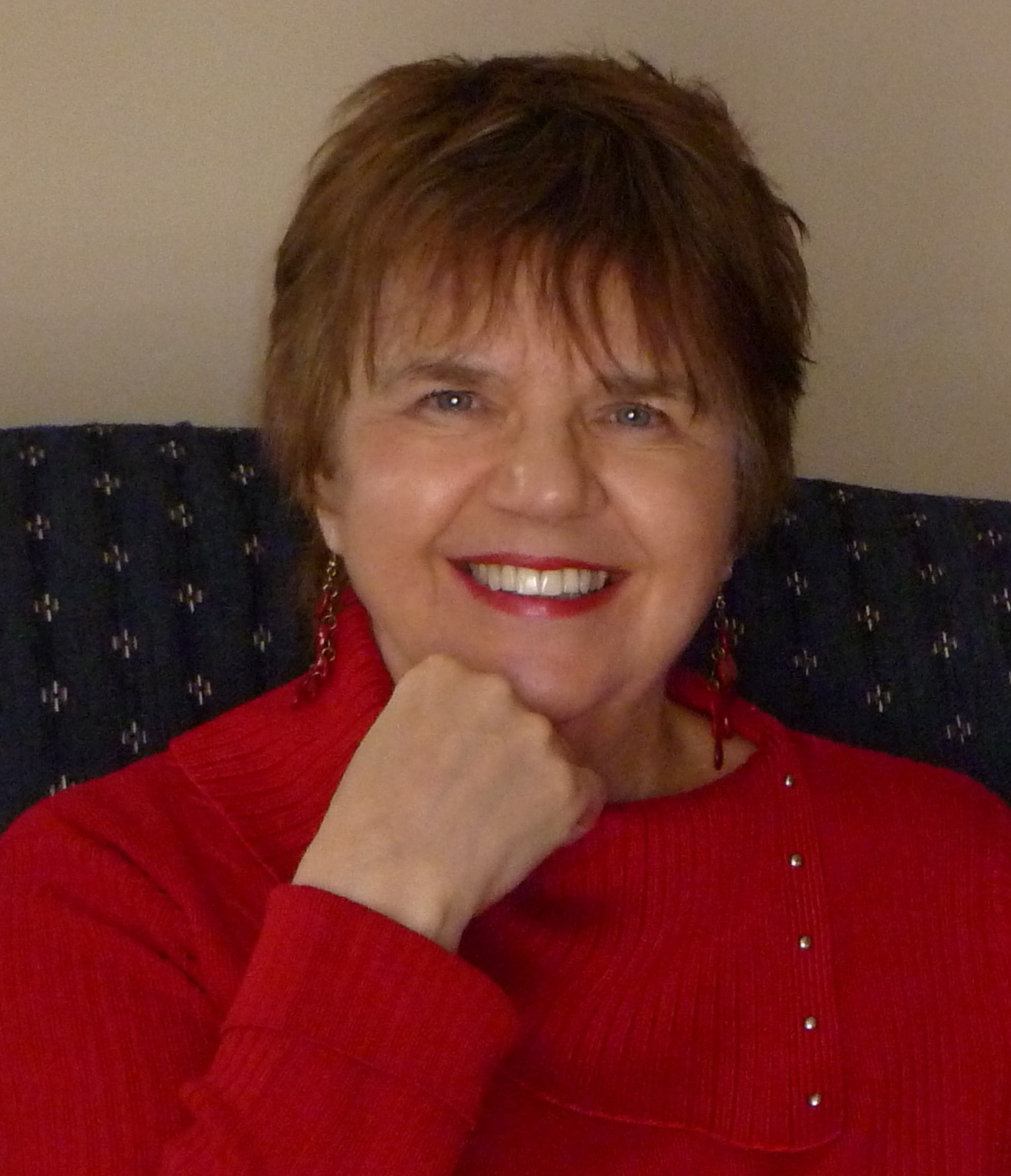
Jodie
Renner is a freelance fiction editor who specializes in thrillers, mysteries,
and other fast-paced fiction. For more info on Jodie’s editing services and her
books, please visit her
website

Jodie has published two books to date in her
series, An Editor’s Guide to Writing Compelling Fiction:
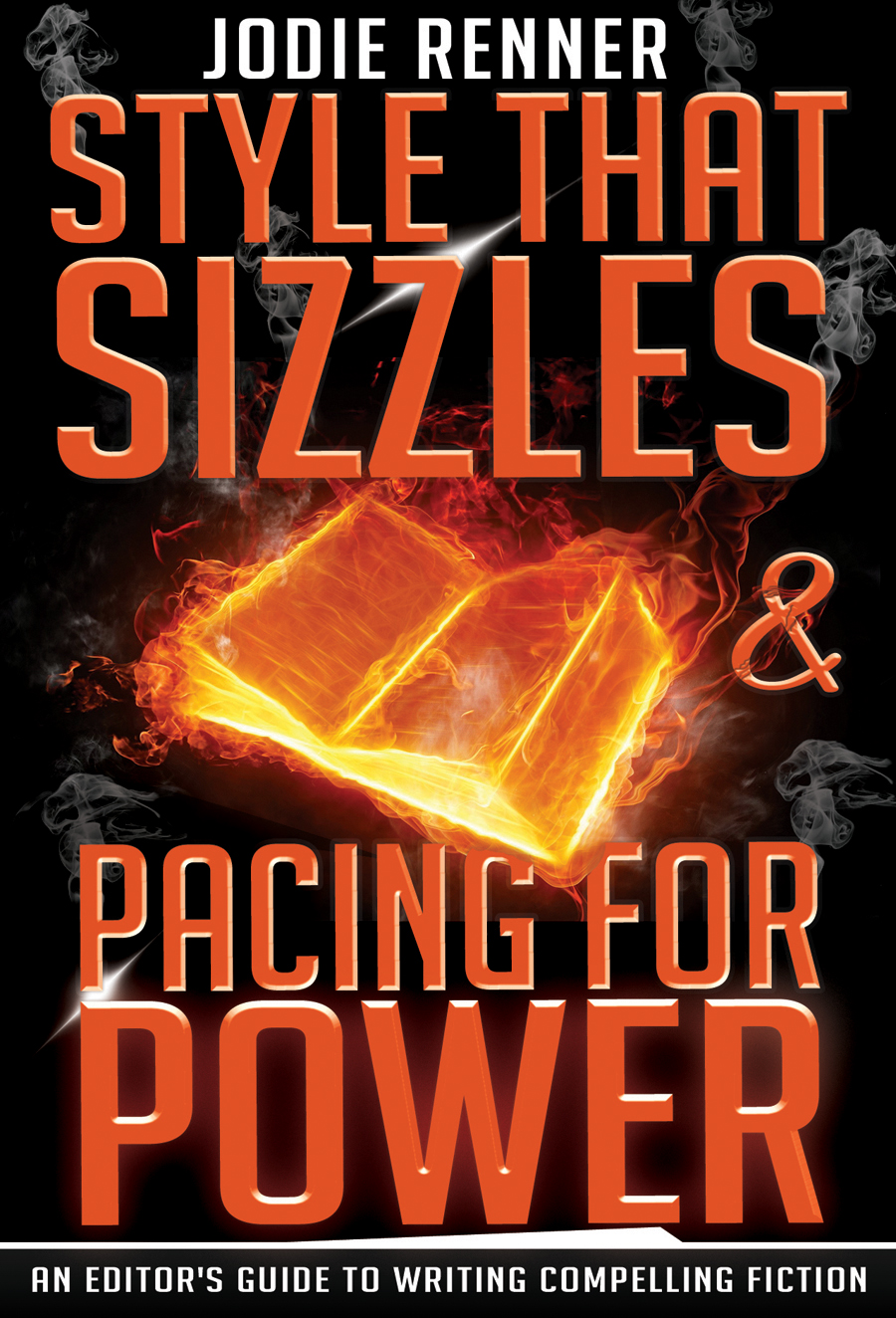
Writing a Killer Thriller, a short e-book, and Style That Sizzles & Pacing for Power, which is available in paperback, as an e-book on Kindle, and in other e-book formats. And you don’t need to own an e-reader to purchase and enjoy e-books.
You can download them to your computer, tablet, or smartphone.

Scroll to top