
What If? A Method for Developing Ideas

by Elizabeth S. Craig, @elizabethscraig
MorgueFile–The Success
I’m one of those neighbors that would be
the perfect witness in a murder mystery. 
Because, if I’m not driving my kids and their friends around, I’m
staring blankly out the windows as I write.
One morning I saw our middle school
neighbor from across the street leave the house to walk to the school bus
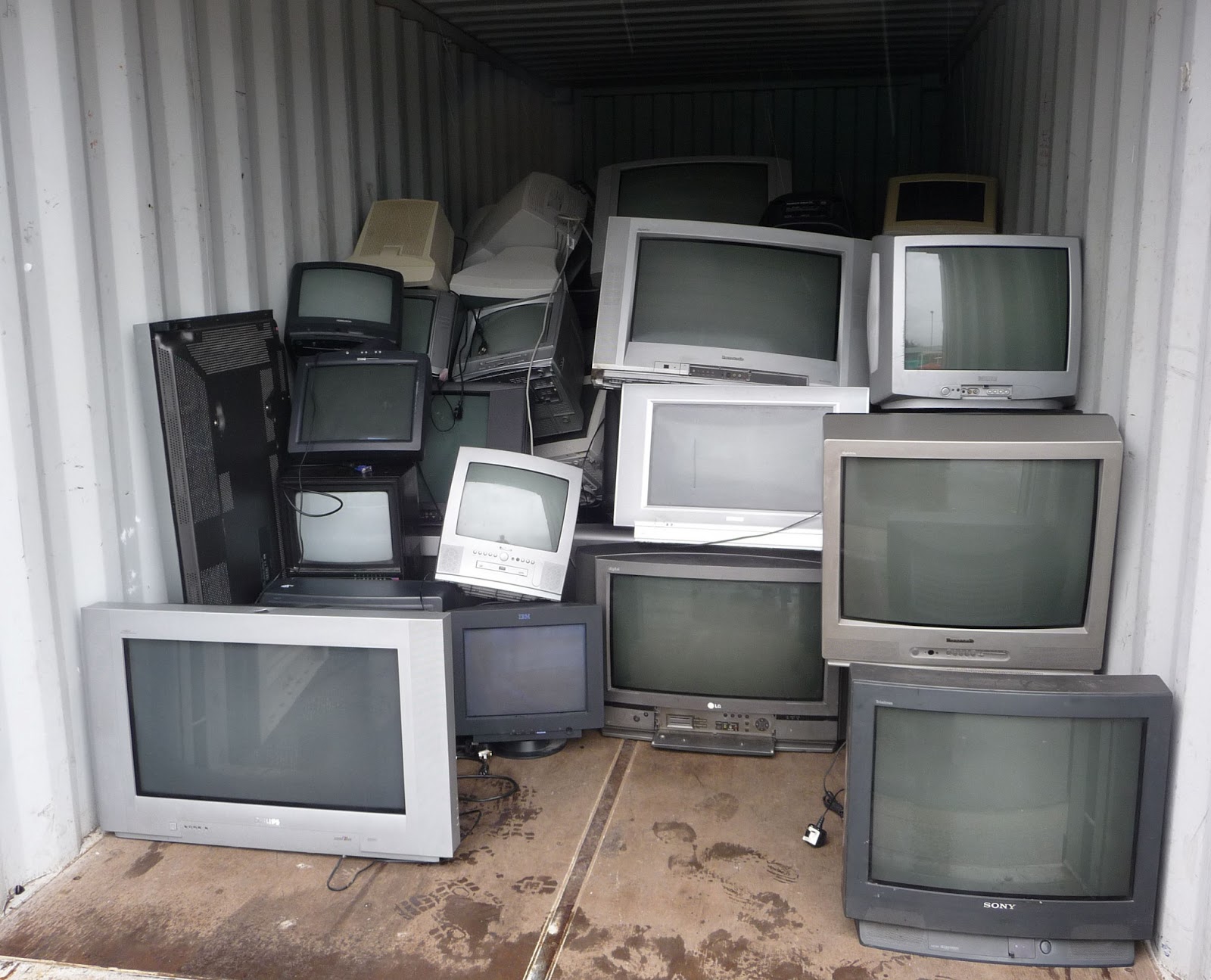
stop.  His folks had put out a large
television for a charity to pick up and the remote sat on the top of the TV by
the street.  He walked past the
television, looking at it. Then he abruptly turned around, reached for the
remote, and pointed it at the television.  
You could just see what was going through his head: what if the
television suddenly turned on?
Writing is like that.  What if___happened?

You can brainstorm this way.  You can even outline this way.  You can get yourself out of plot holes this
way.
So I’m starting a new mystery.  Since I had such a disastrous pantster
experience for the last book, I’ve decided to put some time and thought into
planning this new book before I write.  I
don’t ordinarily like writing that way, but I will admit that out of the four
novels I’ve outlined, I’ve never had a major rewrite. 
This is Outlining Light.  So my process is something like this (and I
give myself permission to change it as I go along.)
I start out with my victim…because she
determines everything in a mystery.  Who
wants to kill her?  This is how suspects
are developed. What if she’s the kind of person who rubs everyone the wrong
way? What if she is responsible for breaking up someone’s marriage?  What if her neighbor was engaged in a
property dispute with her? What if she has a grown daughter living with her who
likes to cause trouble? 
The rest of the story develops in much
the same way.  What if Suspect 1 claims
she was somewhere else the night of the murder but Suspect 2 spotted her
arriving at the victim’s house when she was leaving it? What if Suspect 3 has a
secret that she’s desperate to protect…which has nothing to do with the murder?
This rambling what-if process can lead to
many different ideas.  I take all the
ideas.  I’ll take outlandish ones,
mediocre ones, great ones.  I list them
all on a separate document and look for the strongest ideas…the ones with the
most possibilities to develop.  Even
better if some of the ideas could intersect with each other in some way
(surprising connections between suspects, surprising facts about the victim
connected to one of the suspects.)
When I run into problems, I can
brainstorm my way out of it in the same way. 
In one of my recently finished books, I thought featuring two different
married couples was confusing…especially with similar motives involved.  Plus, there really wasn’t enough
conflict.  What if one of the couples
weren’t married?  What if one member of
the couple was in love and the other member just wanted out? It made the story
more complex and interesting and it was only a small tweak.
How do you brainstorm and plot?

And…I’m trying a new jump break (read more)  feature for my blog to make it easier to scroll through posts (since some posts are pretty long.)  Hoping this will make it easier for a visitor to my blog’s homepage to scan blog titles.  Please let me know how it works for you.  Thanks!

Organic vs. Plotting—Waffling

By Elizabeth S. Craig, @elizabethscraig

What doesn’t matter about plotting?  It doesn’t matter how you do it as long as it works for you.

If what you’re doing isn’t working, have you ever tried something else?

I’ve always been a very happy organic writer/pantster.  I make up my mysteries as I went along.  My agent, frankly, was rather horrified.  I’ve also had an editor or two who were very surprised that I don’t outline. I have a feeling that many traditionally published, prolific writers outline their books and that I was the exception and not the rule.

I have one editor who requires an outline for approval.  I had a tremendous problem delivering her an outline at first.  The first outline was 24 pages long.  My poor editor.  But at first, that’s the only way I could do them.  If I had to write an outline, I was going all the way with it…outlining every scene.

The second outline went a lot better.  I gave her three page “big picture” of the story.  I left out the minor details and just hit the high points, suspects, killer, and how my hook (it’s a quilting mystery series) featured into the book.

The third outline was much like the second for this editor.  The difference was that I deviated from it nearly completely.  Once I started writing the story, it took off into a different direction.  Wrapped up in the story, I neglected to tell my editor about my deviation, which caused a bit of a problem for an editorial meeting she was in and a cover meeting.  Ugh.  I quickly filled her in and sent her the (unfinished) manuscript (which I usually hate doing because at that point I’ve done zero editing…but it was better than sending my long-suffering editor in blind to various conferences.)

So I’ve had some outlining background.  And I always hated coming up with these outlines.  But—I never ran into story issues when I’ve outlined.  I might go off my outline, but I never end up with a huge plot hole, a mess of a beginning, or a poorly paced book.

On the other hand, when I haven’t outlined, I’ve run into a big problem about 30% of the time.  Not all the time.  But enough to slow me down (and I do hate being inefficient!)

I just had a terrible first draft experience on a book I made up as I went along.  Bad enough that I’m outlining the novel I’m about to start writing.  But I’m not excited about this—I’m simply thinking that maybe it’s become a necessary evil for me.

What I dislike about outlines:

I feel like the time spent writing them is better spent writing the story, promoting another book, or some other writing-related task.  This almost embarrasses me to even admit…yes, I know outlines count as writing. But that’s how I feel about them.

I feel that outlines have a tendency to confine my creativity.

I don’t like picking the murderer until the end of the story.

I don’t like picking names until I get to know new characters better.

Outlines remind me of the more unpleasant assignments in my English classes.

Outlining doesn’t come particularly naturally to me.

I hate to admit this, too, but…I can get bored with what I’m writing when I outline because I’m skipping the process of discovery and brainstorming.  Those are the most fun parts for me.

Pros of outlining

I always know what I’m going to write (I’ve always known what I was going to write the following day, even as an organic writer.  But with an outline, I know what I’ll write even after that.

I can immediately tell if the story I intend to write will work or not.  I can spot a bloated beginning, a saggy middle, and a bad ending right off the bat.

I can tell if my original pick for murderer will work or not.

I can keep better track of various subplots, red herrings, clues, suspects, and other elements.

Where I’ve made my peace with outlines:

I allow myself to deviate if the story will benefit.

I don’t force myself to pick character names for the outline if I don’t immediately have a name that I like.  I put in AA or BB instead.

I brainstorm lots of possibilities on a separate document before I start my outline.  I keep the brainstormed ideas and refer to them in case I start running dry when following my outline.

So…this is where I am now.  Waffling back and forth between outlining and skipping it.  Again, if you’ve got a method that works for you—keep it.  I’m experimenting only because my method is suddenly letting me down a little.

Do you outline?  Why or why not?

Twitterific

by Elizabeth S. Craig,
@elizabethscraig
 Twitterific links are fed into the Writer’s
Knowledge Base search engine
(developed by writer and software engineer Mike Fleming) which
has over 19,000 free articles on writing related topics. It’s the search engine
for writers.
Sign
up for our
free newsletter for monthly writing tips and interviews with top
contributors to the WKB or like us on
Facebook.
Mike
Fleming worked with author and writing coach James Scott Bell to offer an
online, interactive, writing program to help make your next novel great. It’s
called “Knockout Novel” and you can learn more about it at
Knockout Novel.com.
20 Great Writers on the Art of Revision: http://bit.ly/11XgcBu @flavorpill
Discovery of a Character – Finding,
Building, Creating: http://bit.ly/12ZRDGy
@scriptmag
9 Ingredients of Character Development: http://bit.ly/12ZRUt8 @TomPawlik
Character Archetypes 101: The Innocent: http://bit.ly/11XkMzI  @jeanniecampbell
10 Ways Proven to Draw Readers to Your
Novel’s Website: http://bit.ly/12ZSA1w
@authormedia
The Charles Dickens school of character
naming: http://bit.ly/11Xl5uq @indie_jane
90 writing tools in a single post: http://bit.ly/12ZT9Z9 @galleycat
Repairing a ‘broken’ manuscript: http://bit.ly/12ZTo6u @carlywatters
Need a favor? Here are 6 ways to boost
your odds of hearing yes: http://bit.ly/11XlCwl
@tawnafenske
Follow your heart and do what you love: http://bit.ly/12ZU4J0 @writeloud
Query tip: do your research: http://bit.ly/12ZUv68 @ava_jae
Indie Author Branding: How to Figure Out
How to Brand Yourself: http://bit.ly/11XoskT
@passivevoiceblg
Write the Ending First: http://bit.ly/11XoNEr @LAMysteryWriter
The importance of asking ‘why’: http://bit.ly/12ZYakz @phillywriters
4 helpful tools for writers: http://bit.ly/11Xp7mz @MADaboutWords
Art & Failure: Why the Two Go
Together: http://bit.ly/11XpcXj @jeffgoins
@MattTCoNP
The Foolish Writer and the Wise: http://bit.ly/11XpuNP @JaelMchenry
10 Overused Fantasy Cliches: http://bit.ly/12ZYSON @shaunduke
Writers and their creative spaces: http://bit.ly/101AJYv @fcmalby
Are a Media kit and a press kit the same
thing? http://bit.ly/1337NOo @melissabreau
New Literary Forms for Self-Publishers: http://bit.ly/101BaSA @indieauthoralli
Industrialization in Epic Fantasy: http://bit.ly/1338mI1 @BrianTMcClellan
@MadHatterReview
10 Writerly Riddles: http://bit.ly/101BAIw @elspethwrites
Keep Your BIC Out of My Erogenous Zones: http://bit.ly/1339bkd @bourbonista
The Psychology of Language: Why Are Some
Words More Persuasive Than Others? http://bit.ly/101DjO4
@lifehackorg
How to Choose the Right Conference: http://bit.ly/133bofp @diymfa
4 Ways to Build Healthy Relationships
with Your Readers: http://bit.ly/101DER0
@mattmikalatos
What You Won’t Learn from Writers’
Letters: http://nyr.kr/133cHej
@BenjaminHedin
Info with Attitude: http://bit.ly/101EWvb @jodierennered
All about urban fantasy: http://bit.ly/133eeRH @EmApocalyptic
Last rites for the campus novel: http://bit.ly/101Fp0h @guardianbooks
The One and Only Way To Success? http://bit.ly/133eUX0 @indieauthoralli
50 pieces of writing advice from authors:
http://bit.ly/101FT6L @shortlist
Capitalization Rules for Names of
Historical Periods and Movements: http://bit.ly/133fap8
@writing_tips
The Surprising Thing About Book
Influencers: http://bit.ly/101GXYc
@LucilleZ
Defying Decomposition: The Enduring
Zombie: http://bit.ly/133fEeP @rajanyk
A Writer’s Guide to Types of Publishing
Companies: http://bit.ly/101HdGA
@melissadonova
Self-Publishing Overview in 30 Minutes
and 50 Seconds: http://bit.ly/133fO5X
@jfbookman
Why Hire an Editor? http://bit.ly/109IpTX @cathryanhoward
9 Fantasy Characters Who Ultimately
Regret Their Final Decisions: http://bit.ly/18ibLpN
@MildlyAmused @buzzfeed
Do You Suffer From Shiny Object Syndrome?
http://bit.ly/109JaMy @joelrunyon
5 ways to practice the art of double-duty
writing: http://bit.ly/18icS8I
@SusanSquires
Using Close-Up Shots to Give Sensory
Detail: http://bit.ly/109K2AW
@livewritethrive
Dear Younger Writing Self: http://bit.ly/109Km2y
Making scenes go deeper–a checklist: http://bit.ly/18idpaO @WriterLor
What authors think about KDP select: http://bit.ly/109LvqP @ashkrafton
Tips for finding a niche as an author: http://bit.ly/123PF71 @tferriss
6 Types Of Poems To Banish Writers Block:
http://bit.ly/15gRQZz @kimber_regator
First Sentences of Great Books: http://bit.ly/123PW9L @chrisrobley
4 ways to enchant others: http://bit.ly/15gS7vn @woodwardkaren
1 writer is a self-pub failure: http://bit.ly/123Q9Kj @salon
Should we let a website re-run our posts
for free? http://bit.ly/15gSbLJ
@MichelleRafter
21 Ways to Develop Fresh Content Ideas
for Your Blog: http://bit.ly/15gSmXu
@lifehackorg
Memorize Poetry with a Free App: http://bit.ly/123QCvT @mediabistro
Differentiating Through Dialogue: http://bit.ly/123QFYC @mooderino
Crafting Teen Characters with Respect and
Authenticity: http://bit.ly/15gTXg1
@ingridsundberg
Dos and Don’ts for poets: http://bit.ly/123S5SV @poetrynews
5 Ways First Pages Go Wrong: http://bit.ly/15gUcrn @fictionnotes
Why 1 writer avoids 1st person POV: http://bit.ly/102BSxp @vgrefer
What’s your vision for your story? http://bit.ly/10aeo5j @storyfix
Is craft killing your creativity? http://bit.ly/15hetfW @jammer0501
5 Common Problems in Your Young Adult
Manuscript: http://bit.ly/10zm5SH
@howtowriteshop
Top 10 Storytelling Cliches: http://bit.ly/15i5ITe @robwhart
Words to cut in our manuscripts: http://bit.ly/125kB6C @ScottTheWriter
Engaging A Reader’s Interest: Offering
Something Strange: http://bit.ly/125kRCR
@woodwardkaren
Redundancies to avoid: http://bit.ly/15i6ek9 @livewritethrive
Tips for finding an agent: http://bit.ly/15i6jo9 @elisabethweed
Slicebooks Aims to Take Re-mixable Ebooks
Mainstream: http://bit.ly/15i6nEe
@pubperspectives
Unsolicited Writing Advice to Never
Follow: http://bit.ly/125lf47 @EdieMelson
Master Class: http://bit.ly/125llc9 @KHill0 @parisreview
Give readers what they want? http://bit.ly/125lqfV @rachellegardner
How to write for the jugular: http://bit.ly/125mgJF @ScottTheWriter
@write_hook
How to Read Poetry 101: Whys and
Wherefores: http://bit.ly/15i7rrM @tithenai
@tordotcom
Writing Horror: Inevitable
Misconceptions: http://bit.ly/15i8Sq4
@amylukavics
Writers who Murder Main Characters: http://bit.ly/15i8VCs
Dreams, Reality and Writing: http://bit.ly/15i8WpX @jamesscottbell
The Risky Middle Realm of Character: http://bit.ly/15i9bkQ @storyfix
Physical Attributes Entry: Cheeks: http://bit.ly/125pTiF @beccapuglisi
Libraries matter: 5  library infographics: http://bit.ly/125pZH6 @ebookfriendly
8 Dialogue Tips: http://bit.ly/125q6Cx
Top 5 Mistakes Writers Make on Facebook
and How to Avoid Them: http://bit.ly/125qf8X
@MarcyKennedy
50 Ways to Build Your Platform in 5
Minutes a Day: http://bit.ly/sTO0GA
@writersdigest
Book Launch Tips for Authors: http://bit.ly/125qoJn @jeanoram
If kittens rule the Internet, why do
puppies reign in print? http://slate.me/15i9NHh
@slate @danengber
3 steps to act on what you read in books
and blogs: http://bit.ly/125qAIO @tomewer
Using Sensory Language: http://bit.ly/15i9V9I @woodwardkaren
When you’re faced with unexpected
revision: http://bit.ly/125qGQx
@robertleebrewer @NicholeLReber
Great Character: Renton
(“Trainspotting”): http://bit.ly/125qKjk
@gointothestory
The Best and the Worst of the Writing
Life: http://bit.ly/15ia6li @andyholloman
@ScottTheWriter
We don’t have to get it all done: http://bit.ly/125r5md @InkyBites
Songwriting Tip: The Money Angle: http://bit.ly/125r7dC @usasong
Tips for writers who need to make
introductions at conferences: http://bit.ly/125rcy5
Five Things 1 Writer Wishes She’d Known
Before Publishing a Book: http://bit.ly/125ri8R
@sarahpekkanen
7 Things Editors at Children’s Book
Publishers Wish Writers Knew: http://bit.ly/11DyBmN
@write4kids
Why you’ll never be ready (and what to do
about it): http://bit.ly/ZmBkTk
@FortheCreators
Cultivating The Observer: http://bit.ly/12MuNSt @BarbaraONeal
Sex and the Literary Writer: http://bit.ly/12NdeSy @the_millions
Don’t think of Pinterest as social media:
http://bit.ly/ZcCVrn @rachellegardner
Courting Your Long-Lost Writing: http://bit.ly/ZcF2eM @pshares
Why you’ll never be ready (and what to do
about it): http://bit.ly/ZmBkTk
@FortheCreators
Plot problems–weak black moments and
unsatisfying endings: http://bit.ly/18I5jFH
@karalennox
Everything you ever needed to know about
screenwriting: http://ind.pn/13ajVhD
@independent
Fight Scenes and Motivations: http://bit.ly/18IdEJM @Owlkenpowriter
@patbertram
5 Tips for Self-published Authors to
Maximize Rights and Licensing Deals: http://bit.ly/13anmF5
@pubperspectives
How To Start Your Best Writing Day Ever: http://bit.ly/18Ie4zL @ollinmorales
The Writer and Money: http://bit.ly/18IeCWa @passivevoiceblg
On the Exigencies of Translation: http://bit.ly/13anR1H
10 tips for better stories: http://bit.ly/18IeWV7 @joebunting
How to Write Backstory: http://bit.ly/13anYdQ @shalvatzis
The Doubts and Resolve of a Midlister: http://bit.ly/18If7Qf @davidbcoe
5 Ideas for Using Pinterest as an Author:
http://bit.ly/13ao5WI @amandaluedeke)
Reading Like A Writer: http://bit.ly/18Ig8Ym @tabithaolson
Character Archetypes–The Orphan: http://bit.ly/13aoGYB @jeanniecampbell
What ‘front matter’ consists of: http://bit.ly/18Igrm4 @SueCollier
Publishing poetry online: http://bit.ly/13aoPLm @poetrynews
Why Ideas Pop Into Your Head When You’re
Trying to Fall Asleep: http://bit.ly/18IgD4T
@lifehackorg
Romantic timing: http://bit.ly/13aoZm3 @heroesnhearts
Create your characters from different
molds: http://bit.ly/18IgT3E
@dirtywhitecandy
Tips for better book launches: http://bit.ly/18Ih0MJ @angelaackerman
7 Reasons Your Manuscript Might be
Rejected: http://bit.ly/13apc8M
@fictionnotes
10 Benefits of Traveling to a Writing
Retreat: http://bit.ly/18IhceM
Dealing With Editorial Letters: http://bit.ly/13apjkS @emmapass
Should Being Creative Feel Good? http://bit.ly/18Ihv9q @brandenbarnett
12 Tips for Writing a Book Title that
Sells Books: http://bit.ly/13aptIZ
@authopublisher
1 writer is sick of promo: http://bit.ly/ZmLN12 @katdish
Falling in Love with Words: A Tragic
Romance: http://bit.ly/18IiFC6
@boydmorrison
When platforming overwhelms
you–floundering: http://bit.ly/13aqjFG
@StevieLibra @robertleebrewer
Is Amazon’s KDP Select Worthwhile for
Writers? http://bit.ly/18IjdHV
@cjlyonswriter
Getting Started with Poetry: Make Words
Your Playground: http://bit.ly/13aqAZ2
@CMKellerWrites
How Novelists Can Steal Marketing Ideas
from Their Non-Fiction Friends: http://bit.ly/18IjF92+|+Duolit%29
@duolit
Character Types – Neanderthal to Alien: http://bit.ly/13aqGQv @scriptmag
Ten ways self-publishing has changed the
books world: http://bit.ly/18IjTgz
@guardianbooks
Why You Should Steer Clear Of Dual
Protagonists: http://bit.ly/13aqOiN

Journalism in crime fiction: http://bit.ly/ZAtfqT
@mkinberg
Execution-style murders in crime fiction: http://bit.ly/17JiTKr
@mkinberg
(Just for fun)–Having trouble writing your bio? A
generator offers help:
http://bit.ly/ZMPu03 @artybollocks
Analysis of the sudden shut down of @timoreilly ‘s
TOC: 
http://bit.ly/17JpX9Y @Porter_Anderson @brianoleary @samatlounge @EdNawotka 
What Authors Need to Know About Crowdfunding: http://bit.ly/16hotWo
@pubslush
Deep Third, Demonstrated: http://bit.ly/16hMjkV
@TamaraHogan1 
Inspiring speeches from last weekend’s Grub Street con.: http://bit.ly/13jxLhF
@AmandaPalmer @Porter_Anderson @GrubWriters
Judging Book Covers by Their Sexism: http://bit.ly/1953C5A
@Porter_Anderson @maureenjohnson @esheepcomix @mfumarolo 
Sometimes the little extras in a mystery are the most
memorable elements of the story:
http://bit.ly/15voRBt @mkinberg

Single Point of Failure

by Elizabeth S. Craig, @elizabethscraig

Morgue File--JDurham
It’s definitely nice to be needed.  Recently, however, I’ve been needed pretty
frequently.  I took on additional
responsibilities and additional projects.
I was filling my husband in on all the
things I was in charge of and responsible for. 
He listened, nodding, as I listed everything.
He’s a computer engineer and has a
different take on the world.  “Do you
know what we call that at work?”
I shook my head.
“Single point of failure.” 
Apparently, there was a whole world of
instances of SPOF (single point of failure) that I knew very little about.  Wikipedia
describes SPOF as:  a part of a system
that, if it fails, will stop the entire system from working. (1:
Designing Large-scale LANs – Page 31, K. Dooley, O’Reilly, 2002
)
So, if I were hit by a train on the way
to the grocery store, it would result in the failure of a whole bunch of things
that I was responsible for.
Writing a single book and hanging our
entire writing career on that book, for instance, is a SPOF.
I’ve written on this topic before, most
recently on Wednesday.  That’s because I
know a couple of writers who loved
writing.  Avid readers, avid
writers.  They wrote and published (both
traditionally) the “book of their hearts.” 
Unfortunately, the books sold poorly and they were dropped by their
publishers.  They both gave up writing.
If you love to write, if you really want
to be published and have any sort of success, it’s important to keep writing,
keep learning, keep improving at the craft. 
There are many reasons why a book might not resonate with readers—some
of them are even the fault of the publisher (cover design, distribution).  Maybe the timing was wrong for the book—it
wasn’t a popular genre at the time.  Or maybe
the fault was in our writing—the characters didn’t connect with the reader,
there wasn’t enough conflict, there was too much backstory.  The only way to solve problems with our
writing is to continue practicing. 
Another great thing about working on a
second book is that it keeps us distracted while we’re in the process of
querying or waiting for publication of the first.  It’s also a nice way to keep from obsessing
over a single book’s sales figures (checking our book’s ranking too much can
drive us nutty.)
What are you working on now? 

Minimizing Risk as a Writer—a Guide for the Risk-Adverse

by Elizabeth S. Craig, @elizabethscraig

MorgueFile–MitchLee83

When I was a kid, my favorite part on
Sesame Street was a
segment where the baker
fell down the stairs.  I’d call my parents or just yank them into
our living room so that they could watch it with me.  It was a counting to ten song and the grand
finale was a mustachioed baker singing, “Ten chocolate layer cakes!” and then
tumbling down a staircase.  Yes, it took
little to amuse me.

I think the reason this segment resonated
so much with me is because I’m desperately clumsy and have been my entire
life.  I regularly fall down the stairs
in my house (my husband just shakes his head and says, “We’re moving to a
garden home in the next ten years….”), walk smack into doorjambs, and have
wrecks with my cart in the grocery store. 
There are things that I’ve done to
minimize my risk of getting hurt, knowing what I know about myself.  I won’t walk down our stairs while holding
things in both hands.  I don’t get up on
skis of any kind.  I don’t ride
horses.  I wouldn’t dream of getting on a
bike without a helmet or walking a treadmill without that stupid safety clip
attached to my waistband.
Being a fairly cautious person, I’ve
approached risk the same way with my writing career.  A note—this won’t apply to every writer and
you probably won’t enjoy this unless you’re super-cautious like I am. There are
many creative free spirits who will thrive by forging their own path.  I’m just not one of them.
Minimizing
risk of failure and rejection as a writer:
Traditional publishing and
self-publishing.  I do both.  I’m hedging my bets, covering my bases,
whatever cliché you want to use. :)
Deciding what to write.  I learned that the books I most enjoyed
reading were in strong demand and considered commercially viable.  I read more of them to learn more about how
the books were structured and paced.  In
addition, I learned that genre books were easier to sell to publishers because
the books already had an established audience…readers who were dedicated
“regulars” for a particular genre and loyally purchased books each month that
fit that category.
Finding a traditional publisher.  I did my market research by going to the
bookstore, flipping through the new mysteries and finding out who published and
edited them (editor is in the acknowledgments unless author forgot.)  Reading the books gave me a sense of what was
currently selling. This helped me minimize my risk of rejection by seeing who
was buying and editing what.
Querying agents.  I ignored any “no simultaneous submissions”
and targeted as many agents who stated they handled my subgenre as possible.
Querying publishers.  After racking up an impressive number of
rejections from agents, I queried targeted publishers (using the research I’d
gathered in the bookstore as well as online and in my copy of Writer’s Market.)   If they were closed to submissions…I sent
something off to their slush pile anyway (blushes.)   Here again, I was just covering my bases
with both agents and publishers.  And if
you’re sending to a slush pile (a repository of unrequested queries, samples,
and submissions), the process will take forever anyway.
Promo. 
As a risk-adverse person, the idea of doing aggressive promo made me
shudder.  Wouldn’t this turn potential
readers off?  I couldn’t take that risk,
so I went with indirect promo/platform building.
Self-publishing.  What was risky for self-publishing?  Having a lousy cover.  It seemed that I would have a higher chance
for success with a professional-looking cover, formatting, and editing.   The cheaper approach seemed at a higher risk
for failure.
Series were selling well for
self-publishing.  I decided to continue
writing a discontinued series instead of starting something new…again, the
least-risky approach.
Reader expectations.  Cozy mystery readers are loyal readers and
very interactive ones.  I have generally
taken their lead when they tell me what they like and don’t like about my
books…tweaking future books to make them more appealing and to give them more
of what they like and less of what they didn’t. 
I also follow my genre’s general guidelines in terms of content…keeping
the necessary violence in a mystery toned down.
Researching.  Admittedly, I’m a researching nut.  I’m not going to try the waters of anything unless I’ve got information
(preferably hard data) on it.  Trying out
ACX/audiobooks?  Exploring print as a
self-pubber? Backing off from traditional publishing and devoting more time
into self-pub?  I’m reading everything I
can on the subjects: dos and don’ts, tips, disaster stories, success stories,
etc.  And I follow publishing news
closely, to see what might be coming around the bend at us.
Creative exploration.  I’m getting to the point where I’ll likely
start branching out and experimenting…cautiously, I’ve no doubt.  And…more than likely with a pen name since my
name has become so associated with traditional mysteries.
The biggest risk of all?  Pinning all your hopes and dreams on a single
book.  More about this on Friday.
Let’s face it…being an artist is a risky
enough proposition without making things worse—especially for us cautious
types.  While I don’t enjoy failure, I do learn from it and analyze what went wrong so I can perform better the next time.  That being said…I’d rather avoid it when I can.
Now I’d like to hear from y’all on
this…my free spirited, risk-taking friends, too!  What’s your approach to writing and
publishing?  Has it changed at all?
Scroll to top